
EMS Learning
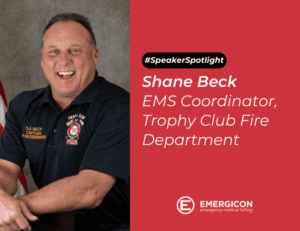
Texas’ most engaging EMS conference is approaching swiftly! Education By The Sea arrives in Port Aransas on May 8-10, 2024, and registrations are open through mid-April. Dive into the details of the 2024 conference through our sneak peek series featuring speakers and sessions. Meet Shane Beck, Shift Captain and EMS Coordinator for Trophy Club Fire Department. He will present the “Fight […]

Texas’ most engaging EMS conference is approaching swiftly! Education By The Sea arrives in Port Aransas on May 8-10, 2024, and registrations are open through mid-April. Dive into the details of the 2024 conference through our sneak peek series featuring speakers and sessions. Meet Suh Hughart, Paramedic and EMS Educator for San Marcos Hays County EMS. She will present the “Look […]

Texas’ most engaging EMS conference is approaching swiftly! Education By The Sea arrives in Port Aransas on May 8-10, 2024, and registrations are open through mid-April. Dive into the details of the 2024 conference through our sneak peek series featuring speakers and sessions. Meet Hunter Harbold, Paramedic and EMS Educator for Parker County Hospital District EMS. He will present the “Large […]
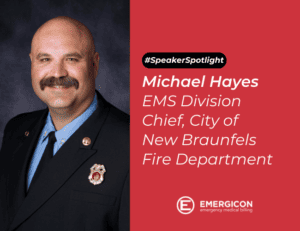
Texas’ most engaging EMS conference is approaching swiftly! Education By The Sea arrives in Port Aransas on May 8-10, 2024, and registrations are open through mid-April. Dive into the details of the 2024 conference through our sneak peek series featuring speakers and sessions. Meet Chief Michael Hayes, EMS Division Chief for the City of New Braunfels Fire Department. He will […]

Texas’ most engaging EMS conference is approaching swiftly! Education By The Sea arrives in Port Aransas on May 8-10, 2024, and registrations are open through mid-April. Dive into the details of the 2024 conference through our sneak peek series featuring speakers and sessions. Meet Chief Jeff Morris, Fire Chief and Paramedic for the Portland Fire Department. He will present the […]
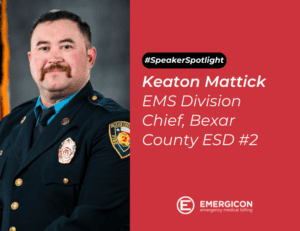
Texas’ most engaging EMS conference is approaching swiftly! Education By The Sea arrives in Port Aransas on May 8-10, 2024, and registrations are open through mid-April. Dive into the details of the 2024 conference through our sneak peek series featuring speakers and sessions. Meet Chief Keaton Mattick, EMS Division Chief for Bexar County Emergency Service District No. 2. He will present […]
As with most aspects of the EMS industry, Medicare sets the standards for what constitutes medical necessity for ambulance transport. According to the Centers for Medicare & Medicaid Services (CMS), medical necessity occurs when a patient has a medical condition for which other means of transportation are contraindicated. For ground ambulance services, Medicare assesses the medical necessity of emergency and non-emergency […]
Like BLS, ALS, and SCT, Emergency and Non-Emergency Transportation are categories of the Levels of Service provided by ambulances. The main difference between them is the need for immediate treatment, which determines the required equipment and personnel. According to the Texas Department of Insurance (TDI), most ground ambulance providers in Texas furnish both types of transportation. Emergency Ambulance Services – […]
Like BLS and ALS, Specialty Care Transport (SCT) is a category of the Levels of Service provided by ground ambulances. SCT-level transports are typically the interfacility transportation of a critically injured or ill patient. When is SCT needed? The most common reason a patient needs SCT is for transportation from one hospital to another medical facility. […]
ALS Vs BLS – Advanced Life Support (ALS) and Basic Life Support (BLS) are categories of the Levels of Service provided by ground ambulances. ALS Vs BLS communicate the medical necessity for ambulance services when an EMS agency responds to a 911 call. The Level of Service determines the reimbursement rate EMS agencies receive for […]
Industry updates & know-how in your inbox
No spam. Just helpful information you won’t want to miss out on.